
Careers
Part of Paid media strategy: a governance framework
3 things worth knowing about paid media strategy examples
Three paid media strategy examples show how REI, Duolingo, and HelloFresh use co-op retail pushes, paid social testing, and win-back sequences.
What to take away
- A usable example names the mechanism, the constraint, and the stop rule, not the outcome.
- REI, Duolingo and HelloFresh each run a different jobretail demand, creative learning, and win-back.
- Typical guardrailsa test budget of 5 to 15 percent of monthly media spend, a holdout of 5 to 10 percent, and a stock feed refreshed every 15 to 60 minutes.
- Every pattern needs exclusions, live capacity, full cost, and a named person who can pause it.
- Platform objectives are delivery settings, not strategy.
Paid media strategy examples earn their place when they show the job, the constraint, and the exit. Three named ones follow.
REI: retail demand tied to stock and stores
REI runs paid search and Shopping around seasonal events while inventory and store capacity move underneath. The job is demand capture against real stock, not reach. The guardrail is a feed that drops sold-out SKUs before spend follows them.
Retail demand capture guardrail
- Seasonal event triggers paid search
- Shopping ads run against real stock
- Feed drops sold-out SKUs
- Spend follows only available inventory
- Ads never promise missing shelf items
Retail feeds typically refresh every 15 to 60 minutes, and a slower sync keeps spending on items the shelf no longer holds. That is a retail-event pattern. It suits any business with physical locations and uneven stock. It fails when the ads promise an item the shelf does not have.
Duolingo: creative learning as its own budget line
Duolingo tests paid social creative in small, isolated cells, one variable at a time, and lets the winner scale. The job is learning which promise moves people, not immediate return. The guardrail is a fixed test budget, typically 5 to 15 percent of monthly paid social spend, and a decision date set before launch.
Creative learning cell process
- Set fixed test budget before launch
- Isolate one variable per cell
- Run small paid social tests
- Let winner scale after decision date
- Protect budget from mid-flight raids
A rough floor is 50 to 100 conversions per variant, which you can estimate from your current conversion rate and cost per click. It fails when the test budget is raided mid-flight.
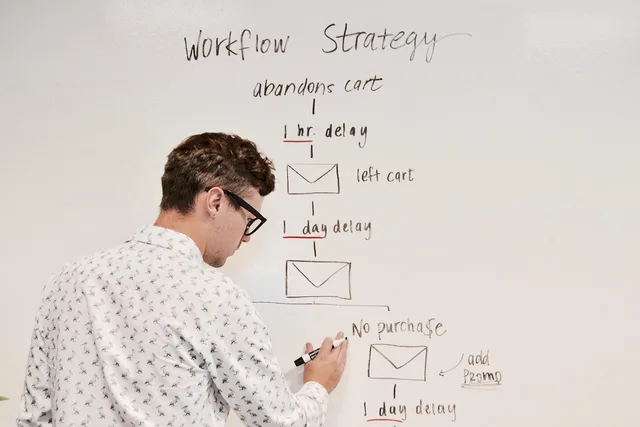
HelloFresh: win-back with consent and holdout
HelloFresh runs win-back sequences to lapsed subscribers, with suppression lists and a holdout group of 5 to 10 percent of the eligible list that receives nothing. The job is incremental repeat action. The guardrail is consent status and that holdout.
Win-back suits subscription businesses with clean consent records. It fails when the holdout is dropped and every reactivation gets credited to the ad.
What the three share
Each names a mechanism a competitor could copy and a safeguard that keeps it honest. None promises a return.
Write one evidence card per pattern before you spend.
Evidence card checklist
- Eligible population and excluded segments
- Consent status and suppression list
- Channel role
- Customer promise and destination
- Creative variable under test
- Primary outcome
- Cost boundary and service capacity
- Measurement method and decision threshold
- Named operator who can pause spend
Name the credit rule too, because paid media attribution decides which touchpoint gets the win.
- Start with a bounded geography or cohort
- Verify every destination and conversion path
- Label platform estimates and modeled fields
- Review complaints, refunds, and lost reasons
- Reconcile spend and incentives to finance
- Expand only after the operating mechanism survives review
Google Ads, Microsoft Ads and Meta Ads Manager all expose objectives that look like strategy. They are delivery settings. The audience rationale, the claim register and the frequency rule are yours.
Before you launch
Confirm people can fulfill the promise at the advertised time. Confirm inventory and locations are current. Confirm the customer-service team knows the message. Confirm a named person can pause the campaign now.
Media efficiency cannot offset preventable customer harm. Contract terms and delivery verification sit inside media buying, and operational failures usually start there.
Turn examples into test cases
The NIST Privacy Framework starting guide outlines a voluntary process for identifying and managing privacy risk. Use it to assign data owners and response owners before a campaign goes live.
The W3C information and relationships explanation says visual structure should also be programmatically available. Apply that check to your landing pages.
Keep the evidence record beside the decision so a reviewer can reproduce the reasoning. Set the next review date and name the change that would trigger an earlier check.
Common questions
Can several patterns run at once?
Yes, if their roles, budgets, populations, creative and outcomes are explicit. Shared audiences and shared budgets are where they collide.
Which example is safest for a first test?
Pick a bounded job with reliable fulfillment and a reversible budget. Duolingo's isolated creative cell is the easiest to stop.
What makes an example transferable?
A documented mechanism, comparable conditions, full costs, and a decision rule.
Do these examples guarantee results?
No. Platform auctions, your account data and your fulfillment decide outcomes. Treat each as a hypothesis with a cost boundary.